





How To Choose Between CO2 And Fiber Laser Cutting Services
Laser cutting has become an essential part of many industries and manufacturing processes. It offers a precise, fast and efficient way to cut materials such as metal, plastic, wood and more. However, with the variety of laser cutting options available, choosing between CO2 and fiber laser cutting services can be overwhelming.
In this guide, we will discuss the differences between CO2 and fiber laser cutting service Dubai to help you make an informed decision for your specific needs.
Efficiency in beam generation:
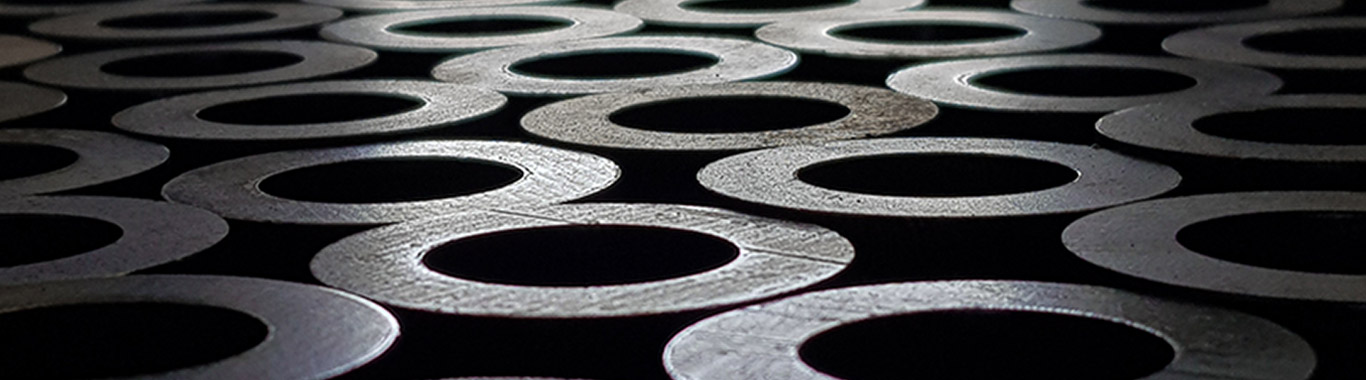
Fiber machines generate beams using optical cables and diodes. This setup creates a small, intense dot perfect for cutting thin metals like steel, aluminum, and copper. This technology stays cool and needs little maintenance, making it a favorite for shops focused on quick output. CO2 machines use gas-filled tubes to produce light. This method creates a beam better suited for thicker plates and non-metal materials.
Material thickness matters:
Thin sheets respond best to the fine beam produced by fiber technology. It slices through stainless steel or brass with extreme accuracy. Thicker materials present a challenge for fiber systems. CO2 lasers handle heavy-duty plates with grace. If production focuses on thick steel, the gas-based laser offers better edge quality and stability.
Operational cost and maintenance:
Fiber systems consume less electricity. Light moves directly from the fiber source to the head, reducing energy loss. Maintenance costs stay low because the solid-state design lacks mirrors that need constant alignment. CO2 systems need a steady supply of gas and cooling fluids. Mirrors need regular cleaning and calibration to maintain cut quality. If budget and upkeep remain top priorities, fiber technology offers clear financial gains.
Speed and output:
Fiber lasers cut thin metal at incredible rates. Rapid movement translates to high daily volume. Parts exit the machine faster, reducing idle time for operators. CO2 lasers work at a slower pace on thin metal. However, they maintain consistent speed on thicker slabs where fiber lasers might struggle. Matching the machine type to required output speed keeps delivery timelines on track.
Edge quality and finish:
Fiber beams create a sharp, narrow kerf. This results in minimal heat distortion around the cut area. Edges come out smooth, needing little cleanup. CO2 lasers produce a wider kerf but provide a high-quality finish on thick pieces. The thermal impact stays contained, creating clean edges that look professional from the start. Choosing the right machine ensures the final piece meets design specs without extra labor.


Related Post

Comparing Interbank Rates Against Your Crypto Card Exchange Rate Offerings
Crypto card users see exchange rates every time they spend digital assets in another currency. The rate shown on a...
How Modern Steel Fabricators Utilize Cutting Edge Laser Tech
Modern steelwork moves at a fast pace, and laser technology gives fabricators powerful tools for accurate cutting and clean results....
The Different Types of Home Elevators
Adding an elevator to your home is a practical and elegant solution, particularly for multi-level homes, offering convenience and improved...

USDT to AED Rate and the Growing Role of Stablecoins in the UAE
The digital economy in the UAE is rapidly expanding, and stablecoins like USDT (Tether) are becoming increasingly relevant to this...
How Business Storage Rental Protects Company Equipment Safely
Company equipment represents a major investment, from computers and office furniture to tools, stock, machines, and specialist devices. Keeping these...
7 Pieces Of Pool Equipment Every Homeowner Wishes They Bought Sooner
Sunny afternoons and family weekends feel much better with a clean and inviting pool. Many homeowners focus on the pool...