









The Different Types of Home Elevators
Adding an elevator to your home is a practical and elegant solution, particularly for multi-level homes, offering convenience and improved accessibility for residents and guests alike. Modern residential elevators come in a variety of styles and mechanisms, catering to different needs, preferences, and home designs. Below, we explore the most popular types of elevator for home use, helping you make an informed decision about which option is right for you.
1. Traction Elevators
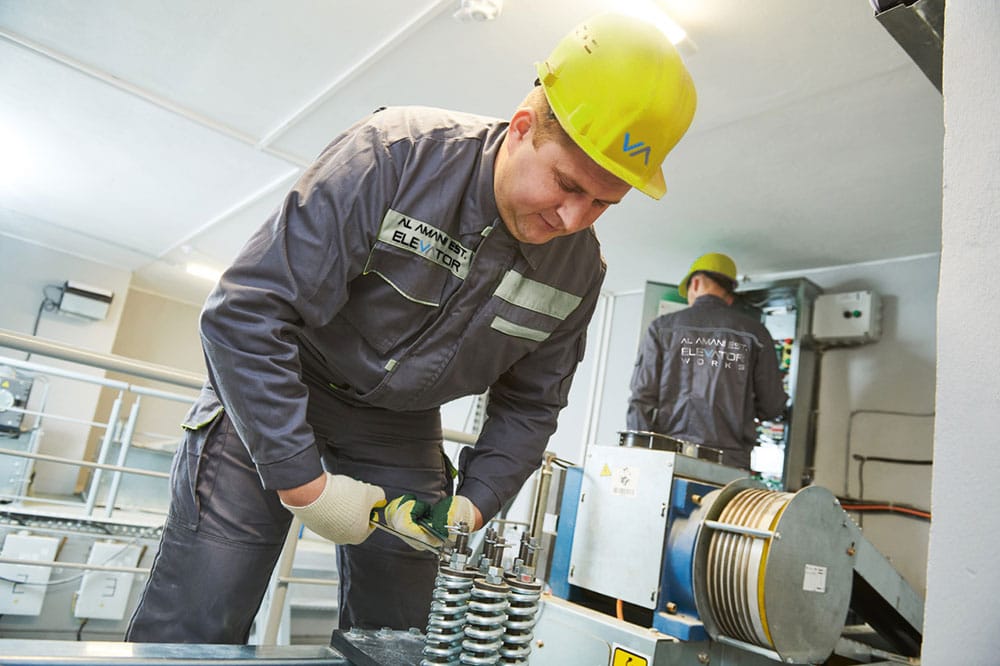
Traction elevators, also known as cable-driven systems, use a counterweight and motor to move the elevator cabin up and down. This type is admired for its smooth, quiet ride and energy efficiency. Traction elevators typically require a shaft, making them well-suited for homes with multiple floors or space allocated for such installations. They are reliable, durable, and can handle longer travel distances in larger homes.
2. Hydraulic Elevators
Hydraulic elevators use a piston to move the cabin with hydraulic fluid. These elevators are favored for their sturdiness and lifting capability. Because they don’t require an overhead machine room, they can fit well in spaces with limited height. Additionally, hydraulic systems are ideal for homes that need a robust elevator without excessive construction or structural modifications.
3. Vacuum Elevators
Vacuum elevators are a compact and innovative option that uses air pressure to move the cabin between floors. Their sleek and futuristic design makes them an appealing choice for homeowners prioritizing aesthetics without compromising functionality. These systems are typically self-supporting and require minimal construction, making them an excellent addition to retrofitted installations or spaces where larger systems might be challenging to accommodate.
4. Roped Hydraulic Elevators
Roped hydraulic elevators combine the mechanics of both roped and hydraulic systems, offering the benefits of a rope-driven mechanism while requiring less overhead space than traditional traction units. These elevators balance performance and space efficiency, making them a practical option for residential use.
5. Winding Drum Elevators
A more economical alternative, winding drum elevators use a drum-and-cable system to control cabin movement. They don’t require a machine room and can be energy-efficient, but they may be noisier than other types. Winding drum systems are an excellent choice for homes with specific budget constraints.
Choosing the Right Elevator for Your Home
Selecting the perfect elevator depends on factors such as space availability, the number of levels in your home, and your personal style preferences. With options ranging from advanced vacuum lifts to classic traction systems, each type offers unique advantages to suit your needs.
Related Post

Comparing Interbank Rates Against Your Crypto Card Exchange Rate Offerings
Crypto card users see exchange rates every time they spend digital assets in another currency. The rate shown on a...

How Modern Steel Fabricators Utilize Cutting Edge Laser Tech
Modern steelwork moves at a fast pace, and laser technology gives fabricators powerful tools for accurate cutting and clean results....

USDT to AED Rate and the Growing Role of Stablecoins in the UAE
The digital economy in the UAE is rapidly expanding, and stablecoins like USDT (Tether) are becoming increasingly relevant to this...

How Business Storage Rental Protects Company Equipment Safely
Company equipment represents a major investment, from computers and office furniture to tools, stock, machines, and specialist devices. Keeping these...
7 Pieces Of Pool Equipment Every Homeowner Wishes They Bought Sooner
Sunny afternoons and family weekends feel much better with a clean and inviting pool. Many homeowners focus on the pool...

Why Proportions Matter So Much In Interior Design
In simple terms, proportions refer to the relationship between different elements within a room, such as furniture, decor, and architectural...