








Why Proportions Matter So Much In Interior Design
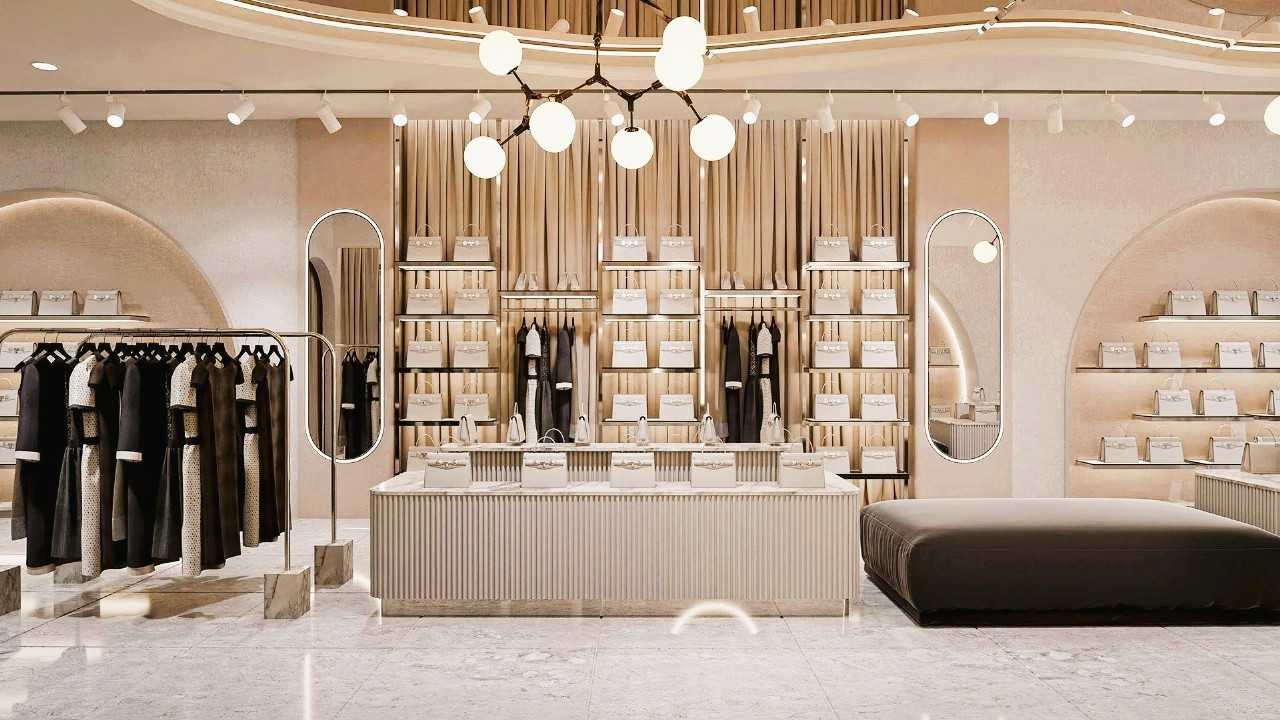
In simple terms, proportions refer to the relationship between different elements within a room, such as furniture, decor, and architectural features. It involves considering the size, scale, and placement of these elements in relation to each other and the size of the room itself.
Properly balancing proportions is crucial in creating a visually appealing and harmonious environment. When done well by an interior designer in Dubai UAE, it can make a small room feel spacious or bring balance to an awkwardly shaped space. On the other hand, poor proportioning can create a sense of imbalance and discomfort in a room.
The golden rule of scaling:
The golden ratio appears throughout nature and architecture, offering a reliable guide for arranging elements within a room. This mathematical principle suggests that dividing a space into approximately 60% dominant elements and 40% secondary elements creates visual pleasure. Applying this rule prevents rooms from feeling cluttered or empty, striking that perfect balance between variety and harmony.
Furniture placement and room flow:
Furniture dimensions directly influence how people move through and use a space. Oversized sofas in small rooms create obstacles while tiny chairs in grand spaces feel lost and insignificant. Proper proportion ensures every piece serves its purpose without overwhelming the room’s natural flow. The relationship between furniture size and floor area determines whether a room feels generous or cramped.
Visual weight distribution:
Every object carries visual weight based on size, color, and texture, and distributing this weight evenly creates stability. Darker, larger pieces draw attention while lighter, smaller items recede into the background. Balancing these elements prevents any single object from dominating the visual field. This careful distribution keeps the eye moving naturally across the entire room without getting stuck in any one spot.
Ceiling height considerations:
Ceiling height sets the stage for all proportional decisions within a room. Low ceilings demand lower furniture profiles to maintain breathing room above occupants’ heads. Tall ceilings accommodate dramatic vertical elements like tall bookshelves or oversized artwork. Matching furniture scale to ceiling height creates a cohesive environment where nothing appears awkwardly out of place.
Patterns and repeat elements:
Repeating similar proportions throughout a room establishes visual consistency and order. Consistent spacing between wall hangings, matching heights for table lamps, and uniform distances between seating pieces create peaceful visual patterns. These repeating elements guide the eye smoothly across the room, establishing a calm and organized atmosphere without shouting for attention.
Related Post

Comparing Interbank Rates Against Your Crypto Card Exchange Rate Offerings
Crypto card users see exchange rates every time they spend digital assets in another currency. The rate shown on a...

How Modern Steel Fabricators Utilize Cutting Edge Laser Tech
Modern steelwork moves at a fast pace, and laser technology gives fabricators powerful tools for accurate cutting and clean results....

The Different Types of Home Elevators
Adding an elevator to your home is a practical and elegant solution, particularly for multi-level homes, offering convenience and improved...

USDT to AED Rate and the Growing Role of Stablecoins in the UAE
The digital economy in the UAE is rapidly expanding, and stablecoins like USDT (Tether) are becoming increasingly relevant to this...

How Business Storage Rental Protects Company Equipment Safely
Company equipment represents a major investment, from computers and office furniture to tools, stock, machines, and specialist devices. Keeping these...
7 Pieces Of Pool Equipment Every Homeowner Wishes They Bought Sooner
Sunny afternoons and family weekends feel much better with a clean and inviting pool. Many homeowners focus on the pool...